Review: Abstract Blob Seamless Pattern for Embroidery
As a designer who has spent countless hours digitizing and stitching out patterns, I have learned to be skeptical of abstract graphics. Too often, "modern" translates to "messy" when translated into thread. However, the Abstract Blob Seamless Pattern Design caught my eye precisely because it defies that expectation. It is not weird; it is cooler than you think. This piece belongs to the broader category of Patterns and Graphics, but its application in embroidery requires a specific, thoughtful approach to truly shine.
First Impressions: Mood and Visual Personality
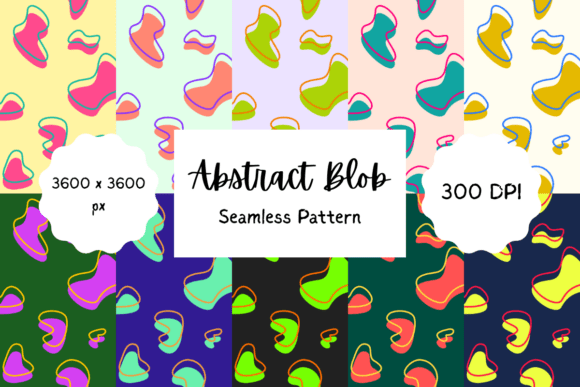
The first thing you notice about this design is its organic fluidity. Unlike geometric patterns that rely on rigid lines and perfect symmetry, these blobs feel alive. They possess a soft, approachable mood that works exceptionally well for contemporary handmade products. The layout is seamless, meaning it can be tiled indefinitely, which offers unique versatility for larger projects like tote bags or pillow covers.
From a visual standpoint, the design avoids excessive detail. This is crucial for embroidery. Overly complex graphics often turn into a tangled mess of thread breaks and bird nests under the needle. Here, the shapes are bold and distinct. The visual personality is playful yet sophisticated, making it suitable for both casual craft business items and higher-end boutique branding. It feels current, aligning well with modern interior trends and apparel styles.
Real-World Application: The Custom Tote Bag Scenario
To truly evaluate a design, you must imagine it in use. Let us consider a real-life scenario: preparing a custom embroidered tote bag for a local farmer’s market vendor. The client wants something eye-catching but not overly branded. They need a background texture that allows their logo to sit on top without clashing.
This is where the Abstract Blob Seamless Pattern Design excels. By using a subtle fill stitch in a neutral thread color against a natural canvas fabric, the pattern creates a textured backdrop. It adds depth to the finished product without overwhelming the primary logo. When I visualize this, I see the stitch density playing a key role. If the density is too high, the bag becomes stiff and heavy. If it is too low, the fabric shows through unevenly. A balanced approach here enhances the perceived value of the handmade product, signaling quality and attention to detail to the customer.
Versatility Across Product Categories
Beyond tote bags, this design adapts well to various surfaces. For sweatshirt embroidery, the organic shapes complement the soft texture of fleece or cotton blends. It works beautifully as an all-over print effect if your machine supports large hoop sizes, or as a localized accent on the sleeve or back yoke.
For baby embroidery, the soft curves are safe and appealing. Imagine this pattern on a muslin swaddle blanket or a nursery pillow cover. The lack of sharp angles makes it visually soothing. However, when working with baby items, always prioritize soft threads and appropriate stabilizers to ensure the finished product remains gentle against sensitive skin.
In the realm of holiday embroidery or personalized gifts, this pattern can serve as a festive background. Change the thread colors to red and green for Christmas, or pastels for Easter, and the same design takes on a completely new seasonal identity. This adaptability is a huge asset for Etsy sellers and small shop owners who need to maximize their design assets across multiple seasons.
Technical Considerations and Stitching Clarity
While the design is versatile, it is not without its technical demands. The success of any machine embroidery design relies heavily on the interaction between thread and fabric. With abstract blobs, stitch direction is critical. Random fill stitches can look chaotic if not managed properly. I recommend reviewing the stitch angle in your digitizing software. Aligning the stitches to follow the flow of the blobs can enhance the three-dimensional effect of the embroidery.
Stitch density is another major factor. High density can cause puckering, especially on thinner fabrics. If you are stitching on a lightweight cotton or a stretchy knit, you must use a cut-away stabilizer to support the weight of the thread. For textured fabrics like linen or wool, the pattern holds up well, but you may need to adjust the tension to prevent the threads from sinking into the weave.
When considering thread colors, contrast is your friend. On dark fabric, use lighter threads to make the blobs pop. On light fabric, darker or tonal threads create a subtle, elegant look. Always test your color combinations on scrap fabric before committing to the final piece. This simple step saves time, money, and frustration.
Where to Use Caution
Not every project is a good fit for this pattern. Avoid using it on curved surfaces like caps unless the design is specifically digitized for that purpose. The distortion caused by the curve can warp the abstract shapes, making them look unintentional rather than artistic. Similarly, be cautious with very small hoop sizes. If the blobs are scaled down too much, the details may merge, losing the definition that makes the design attractive.
Also, consider the end-use of the item. For products that require frequent washing, such as kitchen towels or aprons, ensure that the stitch density is not so high that it compromises the fabric's integrity over time. A balanced fill stitch or even a combination of running stitch outlines with sparse fills can improve durability.
Enhancing Brand Consistency and Customer Trust
For creative entrepreneurs, consistency is key. Using a cohesive set of design assets helps build brand recognition. The Abstract Blob Seamless Pattern Design can become a signature element of your shop. Use it on packaging, printable mockups, and social media graphics to create a unified visual identity. When customers see this pattern, they should immediately associate it with your brand’s quality and style.
This consistency builds trust. A professional presentation, from the digital preview to the stitched finished product, signals reliability. It shows that you care about the details. Whether you are selling a custom apparel item or a digital embroidery file, the perceived value increases when the design is executed with precision.
Practical Designer Notes for Best Results
- Test on Scrap Fabric: Always stitch out a sample on the actual fabric you plan to use. This reveals issues with tension, density, and stabilizer choice.
- Check Thread Contrast: View your design in black and white to ensure the shapes remain distinct without relying on color alone.
- Review Stitch Density: Adjust density based on fabric weight. Lighter fabrics need less density to prevent puckering.
- Confirm Hoop Size: Ensure your machine’s hoop can accommodate the desired scale of the pattern without excessive re-hooping.
- Inspect Small Details: Zoom in on the digitized file to check for stray stitches or overlapping paths that could cause thread breaks.
- Use Proper Stabilizer: Match the stabilizer to the fabric. Cut-away for knits, tear-away for wovens, and wash-away for delicate or sheer materials.
- Verify Licensing: Before selling finished items or digital products, confirm the license terms. Ensure you have commercial rights if you plan to sell the embroidered goods.
Final Verdict
The Abstract Blob Seamless Pattern Design is a strong addition to any designer’s library. It bridges the gap between modern graphic trends and traditional embroidery techniques. It is not just a pretty picture; it is a functional tool for creating engaging, high-quality handmade products. By understanding its strengths and limitations, you can leverage this design to elevate your craft business, delight your customers, and streamline your production process. Remember, the best embroidery is not just about the stitch count; it is about the thoughtful application of design to create something tangible and beautiful.